G'day.
The RBA board meets tomorrow — Tuesday 29 September, 2:30pm AEST — and this one isn't a coin flip. Finder's latest survey has 90% of economists and finance experts tipping a 25-point hike to 4.60%, and nearly half the panel expects a second hike before Christmas, which would take the cash rate to 4.85% — the highest since the 2008 GFC peak.
The reason this matters more than the usual rate-day noise: three separate analyses landed in the past 72 hours putting hard numbers on what a hike does to borrowing power, and they're brutal.
The suburb wipeout maths
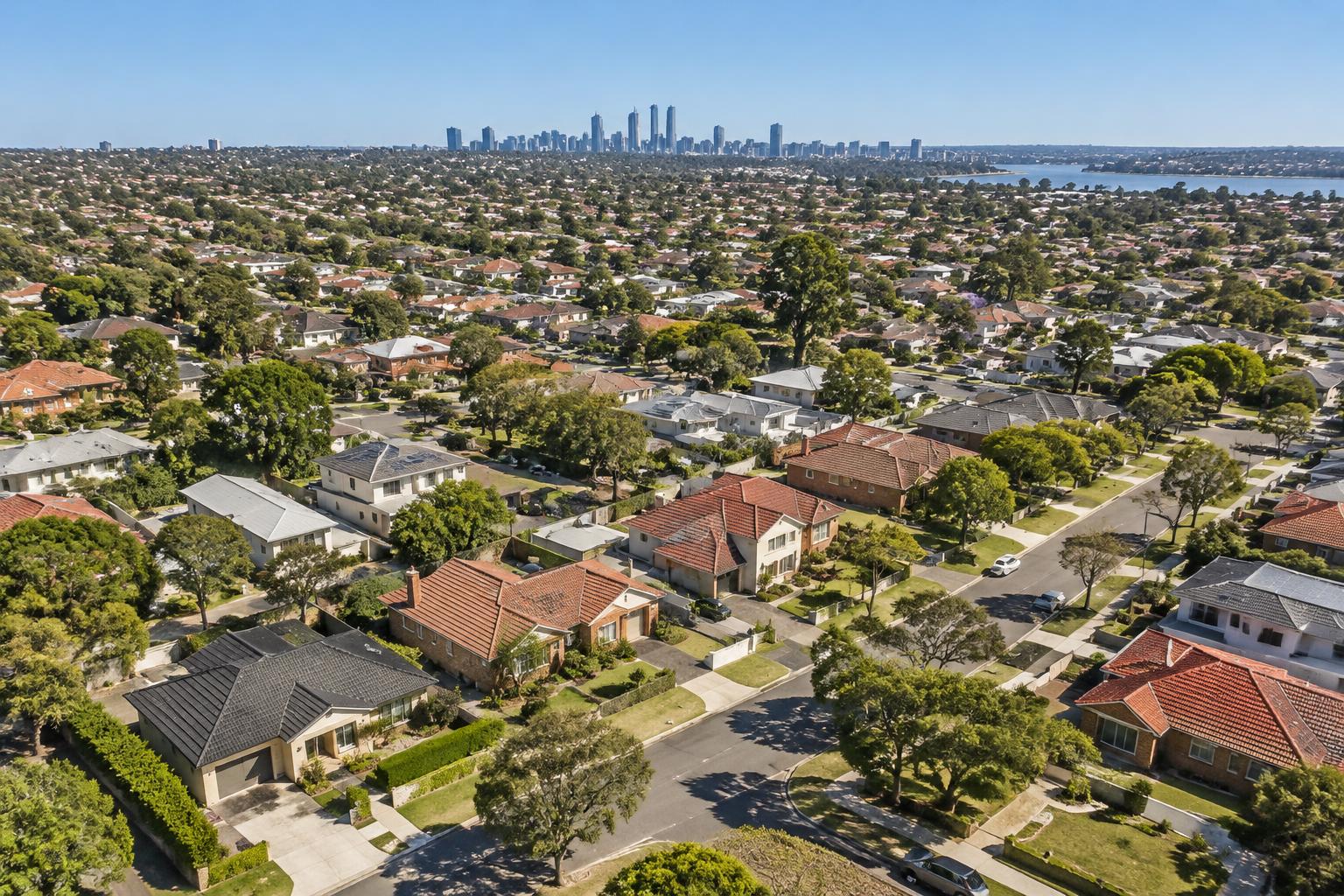
Realestate.com.au's analysis of ABS Census and Wage Price Index figures found that one 0.25% rise wipes roughly $20,000 off the borrowing power of the average Australian homebuying household — taking them from affording homes around $877,000 down to about $858,000. That single move prices the typical buyer out of 101 suburbs and towns where they can afford to buy today.
A second hike before Christmas — which nearly half of Finder's panel now expects — pushes the affordable ceiling to roughly $840,000 and takes 236 areas off the table.
The state breakdowns are uglier:
- Queensland: a household on $166,889 (the income needed to service the average QLD loan) currently has borrowing capacity around $751,000. One hike cuts it to ~$731,400 and locks them out of 34 suburbs; two hikes take it to 72 suburbs, including parts of Caboolture, Woodford and Brinsmead.
- National wage earner: Canstar's modelling shows a buyer on the average full-time wage of $108,650 loses about $11,200 of capacity from tomorrow's hike alone — taking the total reduction this year to $47,400, or about 9%, for a borrower with no other debts or dependants.
- Couples on two average wages: the cumulative hit from this year's rises is already ~$70,700; a fourth hike takes it to $92,500 gone since January.
South Australia and Tasmania cop it worst relative to income — SA's average new owner-occupier loan has surged 68% in five years to $672,000 against the lowest mainland average wage.
Why a 0.25% rise costs you $20k, not $20
The mechanics are worth understanding, because this is where most buyers underestimate the damage. A rate rise hits you twice:
- Your actual repayment rate goes up. On the average $736,259 loan, Finder estimates tomorrow's hike adds ~$115/month — and roughly $427/month versus January once you stack all of 2026's rises.
- Your assessment rate goes up by the same amount. Lenders assess you at the actual rate plus APRA's 3% buffer. Variable rates near 6.5% mean you're already being assessed around 9.5%. Tomorrow's hike pushes that to ~9.75% — and it's the assessment rate, not the actual rate, that sets your maximum loan.
That second channel is the silent killer. Every 25 points of assessment rate removes roughly $10,000–$15,000 of capacity per $100k of household income. Prices falling 1–2% a quarter doesn't come close to offsetting it — which is exactly why affordability keeps deteriorating through a downturn.
The part nobody's pricing in: it compounds with everything else
Tomorrow's decision doesn't land in a vacuum. It stacks on top of:
- The 6x DTI cap, now binding at the margin — total debt (including card limits, not balances) over gross income, with banks capped at 20% of new lending above 6x.
- Forensic expense verification — 88% of lenders now intend to use open banking for income verification and 70% for expense checks, meaning your declared living costs are compared line-by-line against your real transactions. The era of the optimistic expenses figure is over, as we covered in the 'declare everything' piece.
- 18 lenders already moving. Canstar counted 18 lenders that quietly lifted rates in September before the RBA decision — Macquarie hiked fixed rates twice in three weeks, and all of the big four have moved. The fixed-rate discount window we wrote about earlier this month is closing in real time.
What to actually do in the next 24 hours
- If you have a pre-approval, check its expiry and assessment basis. Most are valid 90 days, but some lenders re-assess at current rates when you convert. A pre-approval issued at a 9.5% assessment rate may not survive a 9.75% world at the same dollar figure — call your broker today, not Wednesday.
- If you're mid-search, re-run your ceiling at +0.50%. Don't model one hike; model two. If the house only works at today's rate, it doesn't work. Nearly half the expert panel expects 4.85% by Christmas.
- Lock your assessment before the meeting if your file is ready. An assessment completed today at 9.5% is typically honoured for the pre-approval window. It's free insurance — you're not obliged to draw down.
- Cut limits, not just balances, this week. An unused $10k card limit costs ~$30–40k of capacity and counts toward your DTI. Closures take weeks to show on your file — start now for a December application.
- Investors: re-run the after-tax numbers at 4.85%. At these assessment rates the cashflow position matters as much as the headline capacity. Run your next purchase through the negative gearing calculator at both 4.60% and 4.85% before you set a price ceiling.
What I'm watching
- Tomorrow, 2:30pm AEST. A hike to 4.60% is consensus; the statement language matters as much as the move. Any hint of a November follow-up and fixed rates reprice within days.
- The December meeting. If the panel's nearly-half are right about a second hike, the cumulative 2026 capacity hit for an average-wage buyer passes $58,000 — Canstar's "not a rounding error" figure.
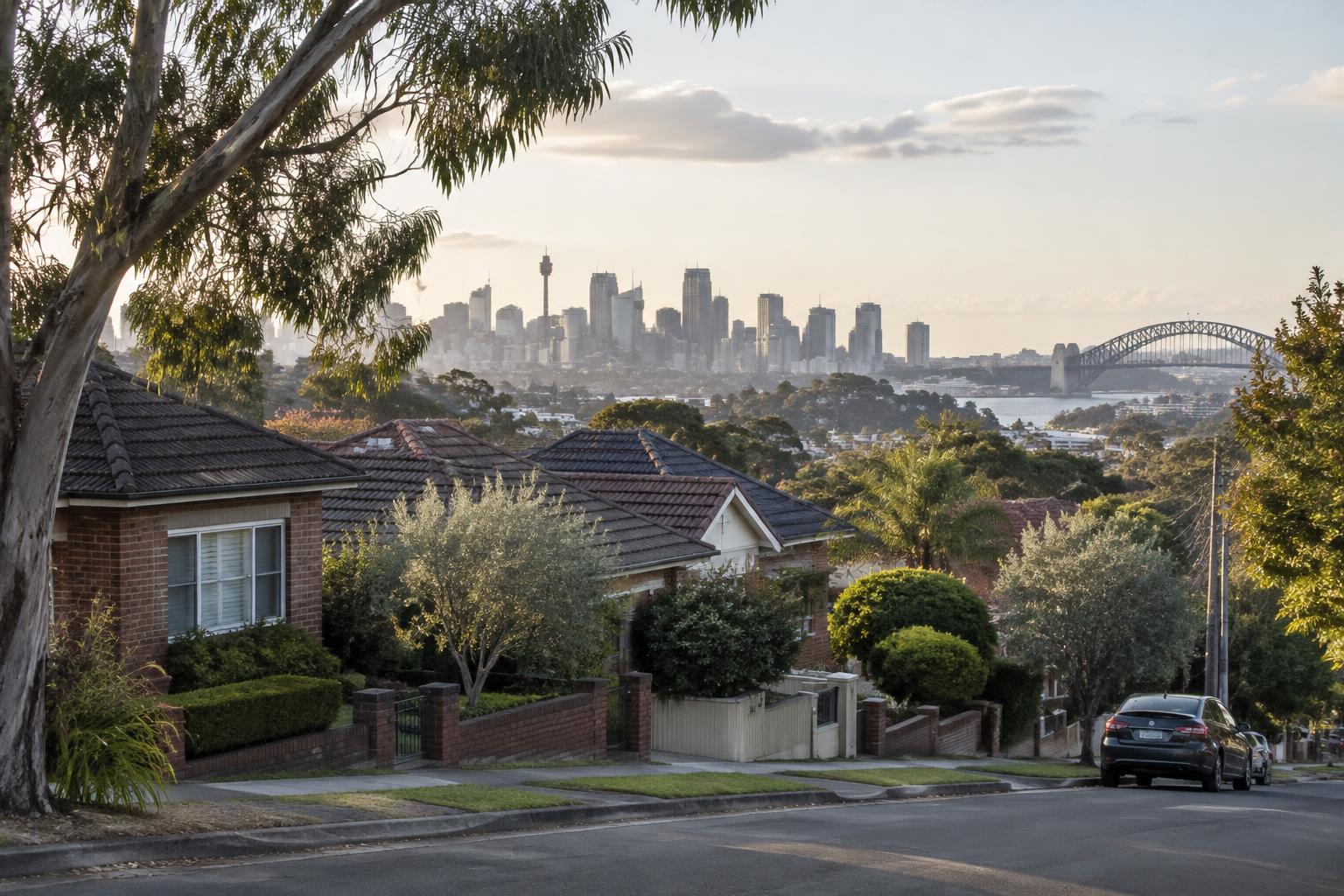
- Whether falling prices start outrunning falling capacity. Sydney's median house is forecast to shed another ~$67k by year-end on NAB's numbers. If prices fall faster than borrowing power shrinks, prepared buyers actually come out ahead — but only the prepared ones.
The ten-minute version
Tomorrow's hike — if it lands as 90% of economists expect — costs the average buyer ~$20k of capacity and 101 suburbs of choice. A second hike by Christmas doubles it. The buyers who keep their options open aren't the ones with bigger incomes; they're the ones with complete documentation, declared debts, clean 90-day statements and rent histories ready to hand over. That's literally what PropAlly organises for you. Founding-member beta is still open: 12 months of Pro, free, for 30 days of real use and a 30-minute feedback call. Apply here.
— PropAlly, Brisbane
General information only — not financial, tax, or credit advice. Interest rates, lender policies and regulator settings change frequently; confirm current rules with a licensed mortgage broker before acting.